
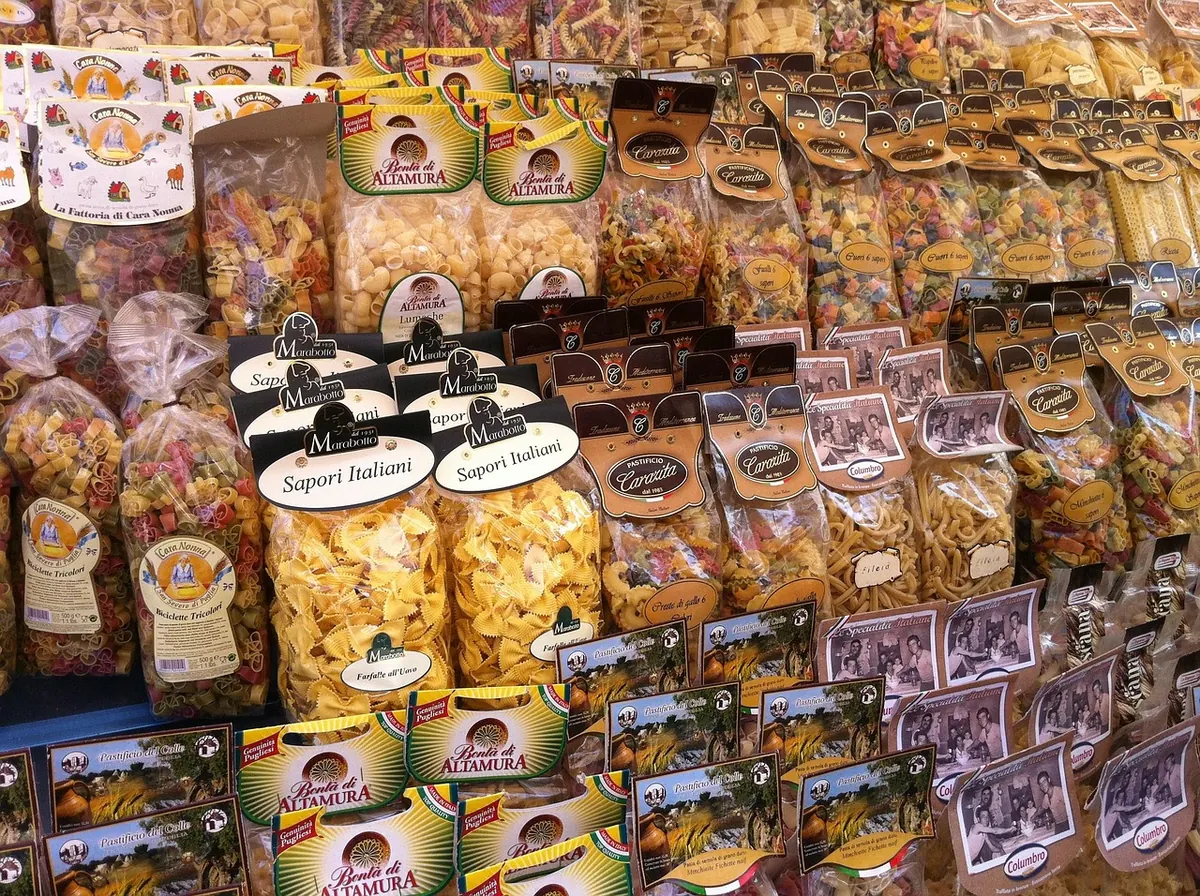
Both regions sit in the south, both take food seriously, and both will ruin you for tomatoes at home. The choice between Puglia and Sicily for a first food-focused trip is less about which one eats better — they are level on that — and more about the kind of eating you want to do. Puglia is a long, narrow strip of limestone and olive trees, and its cooking leans on vegetables, oil and two seas. Sicily is a small continent with a volcano in the middle, three thousand years of outsiders in its kitchen, and a street-food culture that lets you eat a serious lunch standing at a counter. Pick the one whose rhythm matches yours, and you will have a very good week.
Start with the shape of each trip
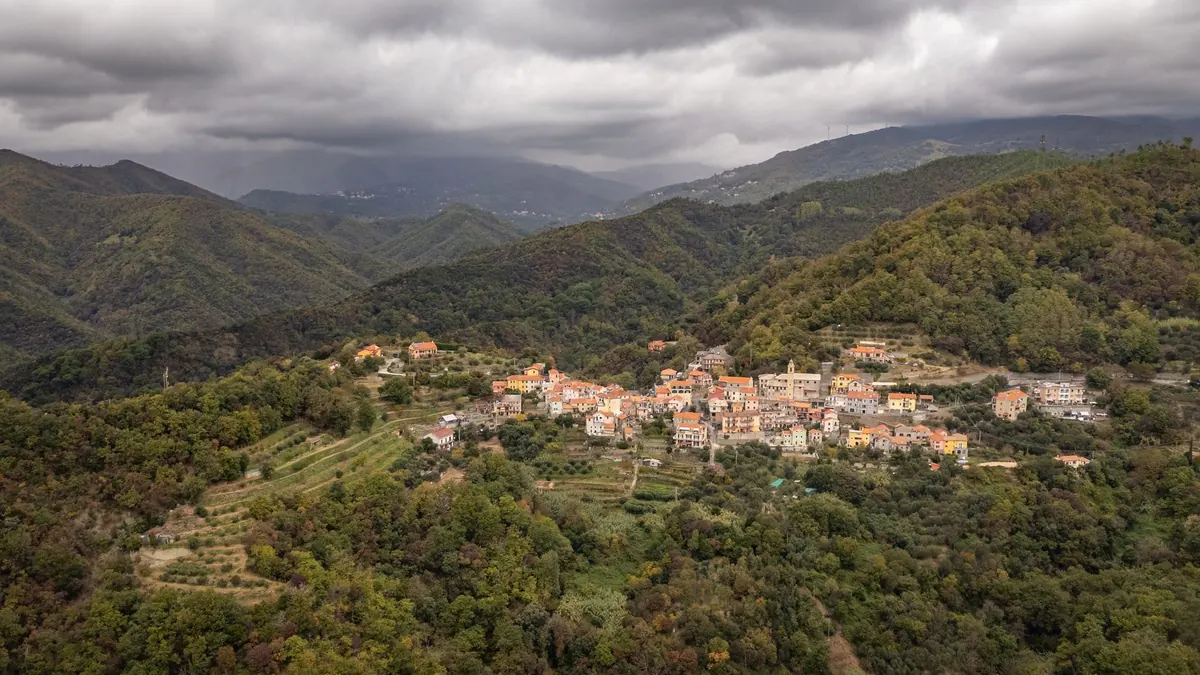
Geography does more to shape a food trip than any list of dishes. Puglia runs from the Gargano peninsula down to Santa Maria di Leuca, and the coastal railway between Bari and Lecce is genuinely useful. You can base yourself in one town — Ostuni, Conversano, Lecce, Polignano — and eat extremely well within an hour's drive in almost any direction.
Sicily is bigger and slower to cross. Trains connect the main cities but crawl inland, and a car is close to essential if you want the south coast or the interior. The compensation is variety: Palermo's cooking is not Catania's, and neither is Trapani's. On a ten-day trip you should pick two bases, not five.
Two kitchens, two personalities
Puglia: oil, vegetables, and a very long coastline
Puglian cooking grew out of scarcity and turned it into flavour. Expect orecchiette with cime di rapa, fave e cicoria, burnt-wheat pasta with a smoky edge, panzerotti fried to order, focaccia barese with tomatoes and olives, burrata from around Andria, and olive oil that tastes of the field it came from. Fish shows up plainly grilled in Gallipoli and along the Ionian coast; mussels are a specialty around Taranto. Pasticciotto and the rustico leccese cover the sweet and savoury pastry bases. The wines to know are primitivo and negroamaro.
The register is generous and unfussy. Long lunches, vegetable antipasti that keep arriving, a house red that costs less than the water.
Sicily: layers on a plate
Sicilian food carries its history openly. Arab citrus, aubergine, sugar and dried pasta; Greek and Norman and Spanish threads running through the same kitchen. You get arancine (arancini on the other side of the island), caponata, pasta alla Norma, pasta con le sarde, swordfish involtini, Trapani's couscous, panelle and sfincione in Palermo, granita with brioche for breakfast, and a pastry tradition — cannoli, cassata, frutta martorana — that is a subject in itself.
Sicily has a sweeter tooth and a wider range. It also does street food at a level Puglia does not really attempt.
Markets and street food: the real dividing line
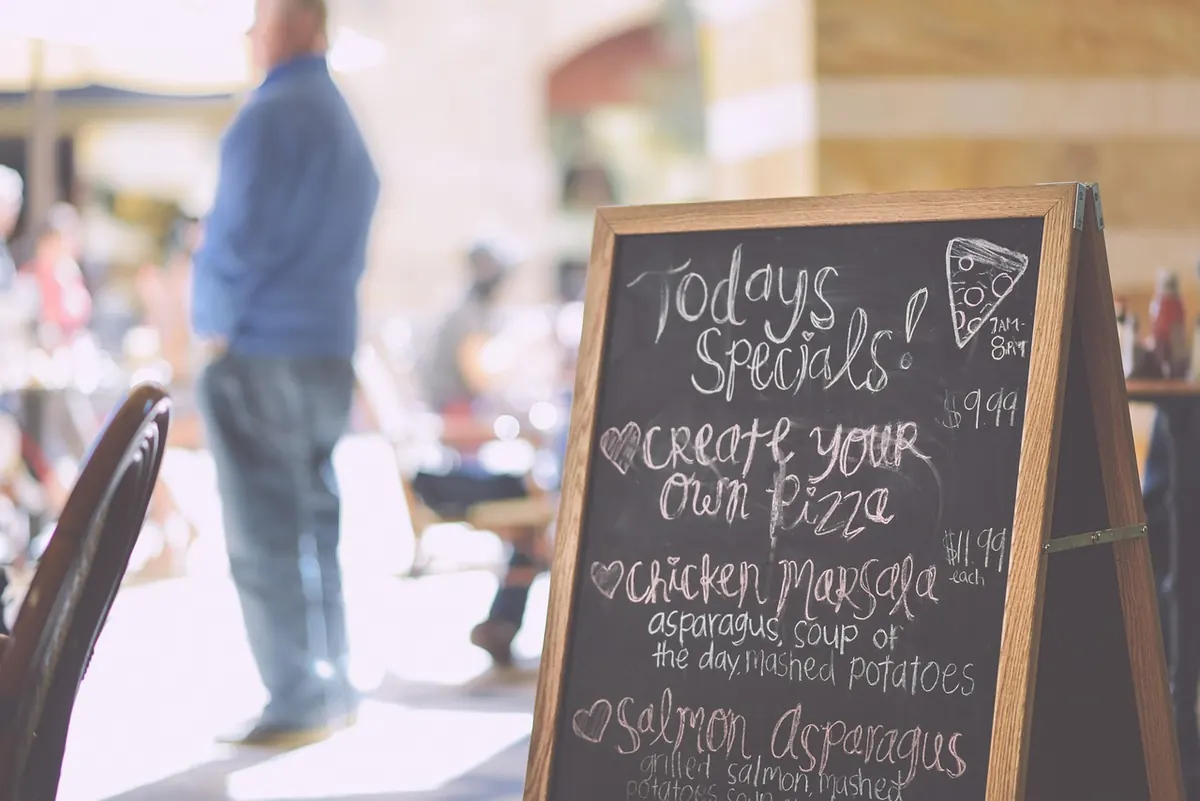
If you want to eat your way through a city standing up, Sicily wins without much argument. Palermo's Ballarò, Capo and Vucciria are working markets with frying counters inside them, and Catania's La Pescheria, behind the cathedral, is as loud and raw as food shopping gets. Go before ten, carry small notes and coins, and follow whoever has the longest local queue.
Puglia's market culture is more about buying than grazing. The fish market in Bari Vecchia is worth a slow morning; the weekly produce markets in Lecce, Ostuni and Martina Franca are where you assemble a picnic. Street food exists — sgagliozze, panzerotti, a slice of focaccia — but it is a snack culture rather than a scene.
- Cook if you can. Book a place with a kitchen for at least part of the trip; both regions reward it.
- Shop by weight. Ask for un etto or two and let the vendor choose.
- Ask what is good today. A simple "cosa mi consiglia?" does more than any menu translation.
- Learn lunch. The fixed-price pranzo di lavoro is the best value in both regions.
What your money does
Neither region is expensive by northern Italian standards, and the gap between them is smaller than the internet suggests. Sicily generally comes out a touch gentler for casual eating: street food, neighbourhood trattorie, market lunches, excellent wine at modest prices.
Puglia has become fashionable, and the Valle d'Itria and the Salento coast now price accordingly in high season. Its masserie and agriturismi are lovely and often worth it, but they are not the budget option. Note that August rates in both regions climb sharply; a week earlier or later in the calendar can change the whole cost of the trip. If money is tight, eat your main meal at lunch and keep dinner simple.
Seasons: pick your month carefully
For Puglia, late April to June and September into early October are the sweet spots: warm sea, open kitchens, produce at its peak. July and August are hot and very busy on the coast, while inland towns can feel half-shut as family-run places take their holidays. The olive harvest runs through autumn, and new oil starts appearing towards winter. Sea urchins are a cold-month pleasure in both regions, with local rules on when they can be taken — ask before ordering them out of season.
Sicily rewards spring and autumn too. April to June and September to October give you comfortable cities and good fish. Late spring is tuna and swordfish time along the west coast. Winter is underrated: citrus everywhere, market stalls full of it, and locals eating granita in coats. August in Palermo is genuinely punishing, and the coast is packed with Italians on holiday.
How to choose in five minutes
- Do you want one base or a route? One base and day trips: Puglia. Two or three bases and a sense of a bigger place: Sicily.
- Street food or long lunches? Frying counters and market grazing: Sicily. Vegetable antipasti and slow afternoons: Puglia.
- Will you drive? If not, stick to Puglia's Bari–Lecce rail line or Sicily's main cities.
- Are you travelling for the sea? Both deliver, but Salento in August is a crowd; Sicily gives you more alternatives nearby.
- Do you want sweets? Sicily, clearly. Puglia's pastry case is good but smaller.
Before you book
Ten days is the right length for a first trip to either region, and it is better spent in two places than five. Build your days around one market morning, one long lunch, one cooking session or farm visit, and one meal you have booked ahead because someone local told you to. Keep cash on you for markets and small bakeries, check opening days — many kitchens close one day a week, and Sunday lunch is a different beast from Sunday dinner — and leave room for the thing you did not plan. That is usually the meal you end up talking about.
Photo: cwollento / Pixabay
Related posts
More stories you’ll love reading